Sign Up
Receive the latest Notices to Mariners
as soon as they’re published.
Sign up to receive the latest
Port of Lancaster news.

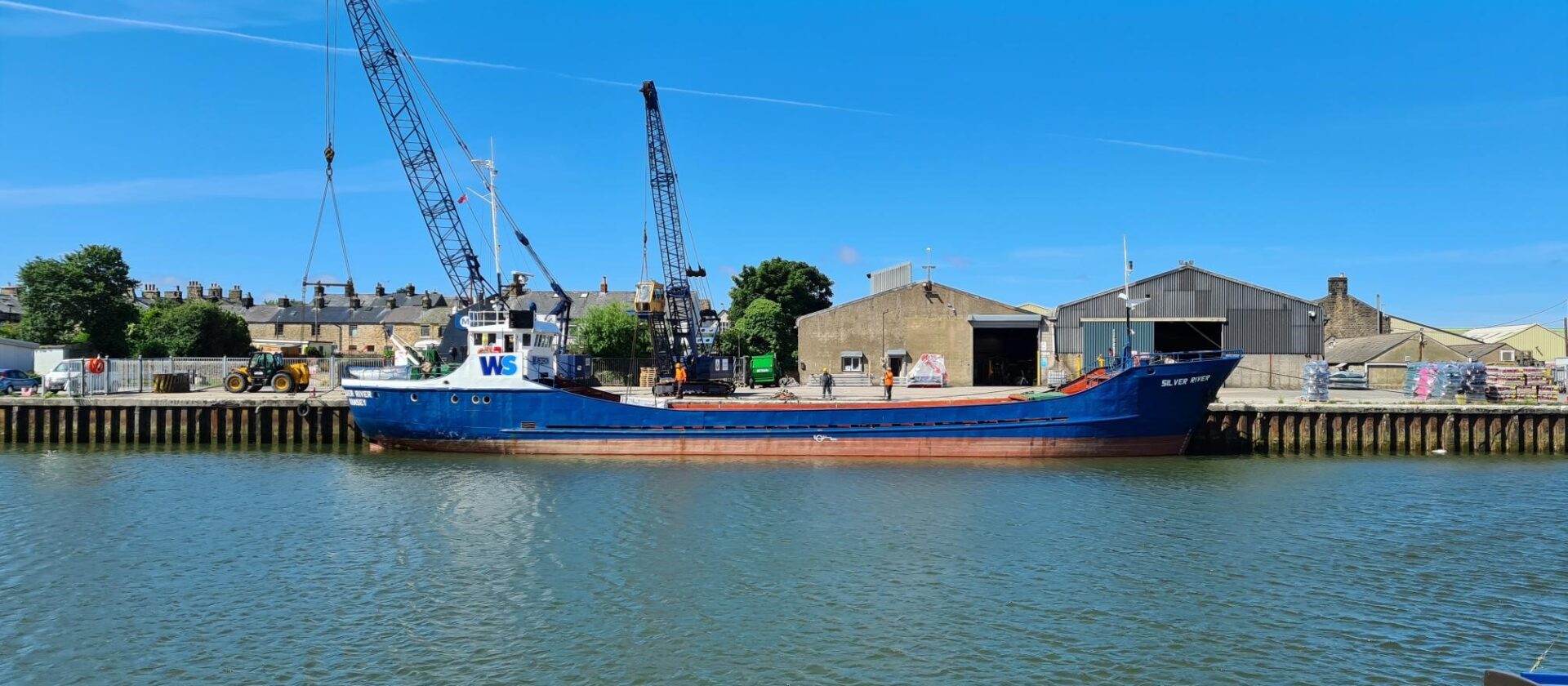
When businesses evaluate Port of Lancaster, one of the most common questions is about our status as a Trust Port. It’s not just a technical designation – it fundamentally changes how we operate and who we’re accountable to
Unlike commercial ports operated by private companies or holding groups, Port of Lancaster doesn’t extract profit for external shareholders. There are no dividends, no investor returns, no pressure to maximise short-term profit at the expense of long-term viability.
Revenue generated from port operations is reinvested into:
As a Trust Port, we’re accountable to local stakeholders – the businesses, communities, and users who rely on the Port. Our Board makes decisions based on what’s best for the Port’s long-term future and its role in the regional economy, not quarterly earnings targets.
This creates a fundamentally different relationship with customers. We’re not trying to maximise extraction from every transaction – we’re trying to provide reliable, fairly-priced services that support regional trade and economic activity.
Our decision to bring stevedoring in-house with significant capital investment in materials handling equipment is a perfect example of Trust Port thinking. Rather than extracting profit or stepping back after losing a major customer, we invested in capability, equipment, and people.
We are looking to expand quayside storage not because it maximises short-term revenue, but because it’s what customers need to use the Port effectively.
We’re training our existing staff to operate materials handling equipment, creating skilled local employment rather than relying solely on external contractors.
These decisions reflect the Trust Port model in action: long-term sustainability, community benefit, and operational excellence ahead of profit extraction.
For businesses choosing where to ship goods, port selection is often driven by practical factors: location, capability, cost, reliability. But increasingly, businesses also care about who they work with and what values those partners represent.
If you want to work with a port that’s accountable to the local community, that reinvests revenue into infrastructure and jobs, and that makes decisions with decades in mind—Port of Lancaster’s Trust Port status matters.
It’s not just about moving cargo. It’s about supporting a model of business that serves the regional economy rather than extracting from it.
Interested in learning more about what Trust Port status means for your operations? Get in touch – we’d be happy to discuss how Port of Lancaster can support your business.
Receive the latest Notices to Mariners
as soon as they’re published.
Sign up to receive the latest
Port of Lancaster news.